Ultimate Guide to Sports Nutrition: Fuel Your Performance and Maximise Results

Are you ready to take your athletic performance to the next level?

In the world of sports, what you put into your body can make all the difference. Whether you’re an emerging athlete, at the peak of your career, or a masters competitor, nutrition can be pivotal to your success. 

Welcome to the ultimate guide to sports nutrition, where we unpack the essential strategies for fuelling your body effectively.. From optimising your meal timing to mastering macronutrients and hydration, this guide equips you with the knowledge you need to maximise results. 

Understanding Sports Nutrition

In the realm of sports, nutrition is the foundation upon which athletes build their stamina, strength, and recovery capabilities. Nutrition affects every cell of the body and is crucial to all vital functions.

For athletes, proper nutrition is not just about eating the right foods; it’s about understanding how different nutrients affect your body and using that knowledge to optimise your training and performance. Every meal is an opportunity to improve performance and push the limits of their physical capabilities.

It’s not as simple as 3 basic meals and drinking enough water. Sports nutrition encompasses a broad spectrum of dietary considerations tailored to meet the specific needs of the athlete’s individual body and sport.

What Goes Into A Sports Nutrition Plan?

A sports nutrition plan might cover macronutrients, micronutrients, meals, snacking and hydration strategies that fuel the body during intense physical activity. The goal is to provide the body with the right nutrients at the right times to maximise energy, maintain muscle mass, and speed up recovery processes.

It might encompass broad guidelines for nutrition, or it could be a specific plan that lays out daily calorie intake, macronutrients, micronutrients and nutrient timings.

A sports nutrition plan is sport-specific as every sport will have different goals – some specific sports it might include fasting or weight loss techniques to make weight, whereas in others it might include carbohydrate manipulation to manage energy. It depends on the individual’s needs, current performance goals and upcoming events or competitions.

Macronutrients In Sports Nutrition

A sports nutrition plan will probably assess the macronutrients first. These are the cornerstone of sports nutrition, providing the essential energy and building blocks required for optimal performance. They are categorised into three main types: carbohydrates, proteins, and fats. Each macronutrient plays a unique role in fuelling the body and supporting athletic endeavours.

  • Carbohydrates are the primary source of energy for athletes. They are broken down into glucose, which is used by the muscles during exercise. When carbohydrates are consumed, they are stored in the liver and muscles as glycogen, which acts as a readily available energy source during high-intensity activities. 
  • Proteins are vital for muscle repair and growth. They are made up of amino acids, which are the building blocks of muscle tissue. During exercise, especially resistance training, muscle fibers undergo microscopic damage. Protein intake helps repair these fibers, leading to muscle growth and increased strength. 
  • Fats, often misunderstood, are also essential for athletes. They provide a concentrated source of energy, especially during prolonged, low-intensity activities. Fats are necessary for the absorption of fat-soluble vitamins and play a critical role in hormone production, which can affect metabolism and muscle growth.

 Essential Micronutrients for Athletes

While macronutrients provide the bulk of the energy needed for athletic performance, micronutrients are equally important. Micronutrients, which include vitamins and minerals, are required in smaller amounts but are crucial for various physiological functions that support athletic performance.

Vitamins play a variety of roles in the body, from energy production to immune function. For instance, B vitamins are involved in converting food into energy, while vitamin D is essential for bone health and muscle function. Vitamin C helps with the repair of tissues and the absorption of iron, which is vital for oxygen transport in the blood. Ensuring adequate intake of these vitamins can help athletes maintain their energy levels and overall health.

Supplements: Do You Really Need Them?

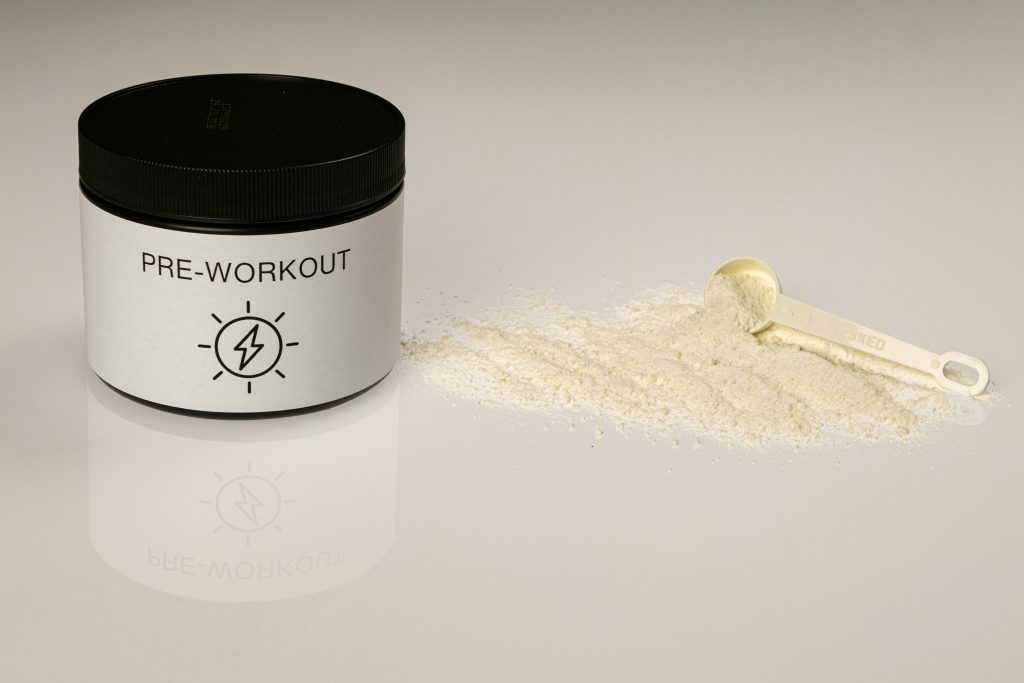
A well-balanced diet should provide most of the nutrients needed for athletic performance, however often supplements will be recommended too.  

Some athletes can benefit from targeted supplementation to help meet their increased nutrient needs or address specific deficiencies. However, supplement use should always be approached with care – especially in elite-level sport where safety and legality are critical.

Working with an Accredited Sports Dietitian ensures you choose evidence-based, high-quality products that are both effective and permitted for use in competition.

Why is sports nutrition important?

Sports nutrition plays a key role in both performance and overall wellbeing. Because athletes place greater physical demands on their bodies than the average person, it’s essential to manage nutrition carefully to meet energy needs and prevent common deficiencies such as iron, vitamin D, calcium, magnesium, and B vitamins.

A well-planned nutrition strategy fuels training, supports muscle growth and repair, reduces injury risk, and enhances mental focus and endurance

What sports will benefit from nutrition support?

Anyone can benefit from assessing their nutrition to make sure they’re optimal.

Many competitive sports come down to fine margins, so assessing things like nutrition can be the difference between winning and losing. Performance fuel is necessary for nearly all sports. That is, looking at what you eat, drink and consume before, during and after training and events.

Sports that we often assist include running, cycling, swimming, weightlifting, boxing, afl, netball, soccer and many more. Any athlete competing in any sport can benefit from nutrition support.

As you can imagine, the nutrient needs for someone doing endurance sports is vastly different to someone wanting to cut weight for a fight so there is no one-size-fits all, but really anyone can benefit from looking at their nutrition.

What we offer

At Healthy Bodies, our sports dietitian offers personalised one-on-one consultations to support athletes at every level – from recreational to elite. Each session is tailored to the individual, focusing on fueling strategies, hydration, event preparation, and recovery nutrition, as well as identifying and addressing any nutrient deficiencies or health conditions that may impact performance.

Sports nutrition isn’t just about physical performance – it also plays a key role in mental health, focus, and overall wellbeing. By nourishing both body and mind, we help athletes feel and perform at their best, both on and off the field.

If you’re ready to get started and take your performance to the next level, click here.

Help! I have DOMS – Doms Treatment Recovery Plan

DOMS Treatment: Everything you need to know

Feeling that post-workout ache? Experiencing delayed onset muscle soreness (DOMS) can feel like a marathon of discomfort after a tough workout. 

The good news? It’s a sign of your muscles adapting and growing stronger, and the recovery process doesn’t have to drag on.

With the right DOMS recovery plan, you can bounce back faster, maintain peak performance and keep training hard without the drag. Say goodbye to lingering soreness and hello to a revitalised workout schedule – no matter your age your fitness level.

Why Does DOMS Happen?

Here is the good news – DOMS is not a sign of overtraining or failure, it’s actually a sign that your body is adapting and getting stronger! 

Delayed onset muscle soreness (DOMS) affects both novice and seasoned athletes and shows up as that familiar stiffness or achy 12 to 24 hours post-exercise, and can peak around 24 to 72 hours. You know the feeling – wincing as you walk downstairs, that achiness that almost feels like a bruise, laughing at how bending down seems suddenly feels like a workout itself. 

While it can feel uncomfortable, DOMS is a completely normal response to challenging your muscles in new ways – whether it is lifting heavier weights, running further distances or trying that popular new Pilates or HIIT class. So if you’re hobbling around the next day, take it as proof that your body is levelling up!

Why Are DOMS So Painful?

Ever wondered why your muscles ache so much after a big workout?

It all comes down to tiny microscopic muscle fibre damage that happens when your body takes on a new or intense physical challenge. This triggers inflammation which is your body’s natural repair process, helping your muscles rebuild stronger than before.

While that is great news for your progress, it also brings on that familiar tenderness and stiffness take makes sitting down, climbing stairs or even sneezing feel like a workout of its own! Remembers, DOMS is a natural and normal part of recovery – a clear sign your muscles are adapting and getting stronger. 

Quick tip: 

If your pain feels SHARP, sudden or FOCUSED in one small area, it may not be DOMS – it could be a muscle strain. DOMS feels more like a dull ache or tightness spread across a muscle group. If you are unsure or suspect a strain, it’s best to book in with us or see your local physio for a professional assessment.

Delving Into DOMS (The Science)

If you are curious about what’s actually happening inside your muscles, here’s the fascinating bit of science behind DOMS 

Here’s How DOMS Work

  1. When you engage in challenging exercise, especially activities involving eccentric muscle contractions (where muscles lengthen under tension such as lowering weights or running downhill), tiny microtears form in your muscle fibres.
  2. Your body then kicks into repair mode immediately. This triggers your body’s natural healing process, inflammation, to help your muscles adapt and grow stronger.
  3. During the inflammatory process, chemical like cytokines and prostaglandins are released. These little messenger chemicals promote healing and recovery.
  4. Blood flow increases to the affected area, bringing oxygen and nutrients to repair the muscle tissue.
  5. At the same time, an accumulation of metabolites such as lactic acid can build up, contributing to that stiff, achy feeling.
  6. Your nervous system also plays a role – pain receptors (called nociceptors) in muscles send pain signals to the brain, saying “this hurts!”. This is your body’s clever way of telling you to rest and recover. 
  7. All of these processes combine to help your muscles rebuild stronger and more resilient, so the next time you are fitter, faster and better adapted for your next physical challenge. 

Immediate Strategies for Alleviating DOMS

When DOMS strikes, there are several simple ways to ease the discomfort and speed up recovery. 

ICE

Applying ice to sore muscles can help inflammation and numb the discomfort to provide temporary pain relief, and is one of the easiest and most effective initial treatments. Use an ice pack for 15-20 minutes several times a day during the first 48 hours post-exercises for best results.  

Massage

A gentle massage can do wonders for achy muscles. It boosts blood flow, helps to clear out metabolic waste products and deliver essential nutrients to aid with muscle repair of the affected area. Just be warned – be gentle, it may feel a little tender at first! 

Foam rolling

Foam rolling is an effective self-massage technique that targets tight or sore areas. While it can feel uncomfortable initially, regular rolling can help loosen stiff muscles and reduce DOMS intensity over time. 

Active DOMS Recovery Techniques

Light movement is your friend! Activities like walking, swimming or gentle cycling can increase circulation without adding extra stress or strain. This helps to expedite the removal of waste products and delivers oxygen and nutrients to tired muscles.  

Passive DOMS Recovery Techniques

Ice baths, saunas and stretching are great in calming inflammation, aiding in recovery and relaxing the body. And never underestimate sleep – aiming for 7-9 hours of quality sleep each night will support optimal muscle recovery. Rest and recovery days are just as important as training days when it comes to preventing overtraining and keeping DOMS at bay. 

The Role of Nutrition in DOMS Treatment

Let’s not forget one of the most powerful tools for recovery – NUTRITION!

What you eat can make a huge difference to how quickly your muscles bounce back after a tough workout as nutrition plays a vital role in the recovery process. A balanced diet rich in protein, healthy fats and plenty of hydration supports muscle repair and reduces inflammation, helping you recover faster and feel better sooner.

Protein – The Muscle Repair Hero 

Protein is the golden ticket to effective muscle recovery. It provides the essential amino acids that repair damaged muscle fibres. Incorporating quality protein sources such as lean meats, fish, eggs, dairy products, and plant-based proteins – especially within a few hours after exercise – can give your muscles what they need to recover and grow stronger.

Omega-3s – Your Anti-Inflammatory Ally 

Healthy fats like omega-3s (found in fatty fish, flax seeds, and walnuts) have natural anti-inflammatory properties that can help ease muscle soreness and promote faster recovery and healing. Addin these to your diet regularly can make a different in how you feel post-workout. 

Hydration – The Unsung Hero

Water keeps everything moving – it helps transport nutrients to your muscles and flush out metabolic waste products from exercise. Aiming to stay hydrated throughout the day whether it be before, during, or after training, helps your body to recover more efficiently. 

If you are looking for personalised guidance with your nutrition journey, our dieticians can help to design a nutrition plan tailored to your recovery goals and training load. 

When to Seek Professional Help for DOMS

If muscle soreness is starting to interfere with your daily life or training, it may be time to seen professional support. A physiotherapist can assess you and create a tailored recovery plan to get you back on track.

While DOMS is usually harmless and is a common part of training, managing it effectively is key staying at your best, especially if you are training regularly or aiming for top performance. 

For athletes, physiotherapists can use advanced recovery techniques such as manual therapy, or electrical stimulation to reduce pain and speed up healing. While dieticians can provide valuable guidance to optimise your nutrition and recovery. 

For the everyday athletes, professional advice can be even more important! Persistent soreness lasting longer than a week, or accompanied by swelling, bruising, or loss of function, may indicate a more serious injury that requires medical attention. 

Seeing a physiotherapist doesn’t just help with recovery – it can also uncover and correct issues like muscle imbalances or improper training techniques that may be contributing to your symptoms. Addressing the root causes will minimise the risk of DOMS and enhance your overall performance. 

If you are unsure whether your pain is normal or something more, don’t ignore it. Book an appointment with us now for an expert assessment and management plan to help you recover, move better and perform at your best.

The Role of Nutrition in DOMS Treatment

Let’s not forget nutrition!

Nutrition plays a vital role in the recovery process and can significantly impact the severity and duration of DOMS. Consuming a balanced diet rich in essential nutrients and protein can support muscle repair and reduce inflammation.

Protein the golden ticket to effective muscle recovery, as it provides the building blocks (amino acids) necessary for repairing damaged muscle fibres. Incorporating high-quality protein sources such as lean meats, fish, eggs, dairy products, and plant-based proteins into your diet can help expedite the recovery process.

It’s also a good idea to use omega-3 fatty acids, found in foods like fatty fish, flaxseeds, and walnuts, which have anti-inflammatory properties that can help reduce muscle soreness. These healthy fats can mitigate the inflammatory response associated with DOMS, promoting faster recovery.

And don’t forget hydration! Water helps transport nutrients to the muscles and flush out metabolic waste products so the more you drink the quicker you can flush and recover. Aim to drink plenty of water throughout the day, especially before, during, and after exercise, to support optimal muscle recovery.

If you need more help with this, you can book in with our dieticians to create a personalised program.

When to Seek Professional Help for DOMS

If you’re getting DOMS in a way that is affecting your everyday life and training, it might be worth speaking to a professional who can create a tailored program that plans your recovery.

While DOMS is a common and generally harmless condition, when it comes to top performance, managing DOMS is an essential part of the strategy.

For athletes, working with a physiotherapist can offer advanced recovery techniques, such as manual therapy, ultrasound, or electrical stimulation, to alleviate pain and promote healing. Similarly, dieticians can put you on the right track to boost your recovery.

For everyday athletes, seeing a professional might be even more important as the body may be less adapted to DOMS. Persistent soreness that lasts beyond a week or is accompanied by other symptoms such as swelling, bruising, or loss of function may indicate a more serious injury that requires medical attention.

Seeing a physiotherapist can aid the recovery from DOMS, while also managing any muscle imbalances or improper training techniques, that may be contributing to your symptoms. By addressing these root causes, they can help you develop a more effective training plan that minimises the risk of DOMS and enhances your overall performance.

Don’t hesitate to seek professional assistance if you’re concerned about your muscle soreness or recovery process. You can contact us now for more information.

Keeping Your Team Strong: Introducing Our Workplace Injury Assessment And Support

A strong, healthy workforce is the foundation of a successful business. 

When your team is injured, it costs time, money and emotional labour. That’s why we developed the Health@Work Program, a workplace-based initiative designed to help businesses reduce injuries, minimise downtime, and promote long-term employee wellbeing.

In this article we’re exploring:

  • Why workplace injuries are so damaging
  • How a workplace injury and assessment solution can help
  • What we offer in terms of workplace health

Why Health@Work workplace injury assessments?

Workplace injuries don’t just affect individuals – they impact productivity, morale, and your bottom line. Through early intervention and proactive care, Health@Work helps businesses.

In recent years there have been over a 100,000 serious WorkCover claims in Australia per year and the time lost for a serious claim has been rising bringing the average compensation paid for a serious claim to almost $10,000 (Australian Workers’ Compensation Statistics, Safe Work Australia).

Despite these enormous costs most WorkCover cases can be resolved through comprehensive physiotherapy and a structured return to work program. Early intervention and best practice care are the most effective ways to support return to work and not only reduce the cost to businesses, but also to minimise work disability.

What We Offer

We offer a range of services to help your workplace avoid unnecessary costs and get your employees back on their feet as soon as possible.

You’ll recieve:

  • Speedy injury assessment
  • A timeline for employee recovery
  • Industry best physiotherapy
  • Worksite assessments to consult on work health and safety processes
  • Comprehensive reporting and insights
  • Pre-employment physical assessments

Using this service for employees with work related injuries provides a method of early management for these injuries. This often means the injury can often be managed and resolved through physiotherapy without the need to lodge a WorkCover claim. To date more than 85% of injuries treated using this model have resolved without the need to lodge a claim.

Benefits Of Health@Work

  • Reduce WorkCover claims with fast, effective injury management and prevention strategies.
  • Maintain a healthier workforce through on-site support and education.
  • Minimise Lost Time Injuries (LTIs) by identifying issues early and providing clear insight into employee capacity for work.
  • Save time and money through streamlined communication, quicker recoveries, and reduced absenteeism.

Built in Collaboration with Industry

The Health@Work Program was developed in partnership with businesses across the construction, manufacturing, and corporate sectors – industries where physical demands and high workloads can take a toll. We listened, learned, and designed a program that works in real workplaces, not just on paper.

What’s Included in Health@Work

Our comprehensive approach ensures your team gets the right support at the right time. Services include:

  • On-site workplace assessments – we come to you to identify potential risks and provide practical solutions.
  • Early intervention and priority appointments – injured workers receive prompt assessment and treatment, reducing recovery time.
  • Pre-employment assessments – ensure new hires are fit for the demands of the role and reduce future risk.
  • Simple referral pathways – quick and easy processes to connect your team with our physios.
  • Detailed injury reports – every assessment includes tailored recommendations and key learnings to help prevent similar injuries in the future
  • A trusted, professional team – our physiotherapists are experienced in occupational health, ergonomics, and workplace injury management

How We Can Help You

When your workforce is healthy, your business performs better. With Health@Work, you gain a proactive partner focused on keeping your team safe, strong, and supported – every step of the way.

We help you build a culture of health that continues on long after we stop working together. 

  Contact Healthy Bodies Physiotherapy today to learn more about bringing Health@Work to your business.

Your Complete Guide to Sprained Ankle Recovery: Timeline and What to Expect

A sprained ankle can feel like a dramatic setback, whether you’re an athlete, a weekend warrior, or simply someone who enjoys an active lifestyle. This injury, while common, often leads to confusion about what to expect during your recovery.

How long will it take to get back on your feet? What steps can you take to ensure a safe and effective healing process?

In this complete guide to sprained ankle recovery, we’ll walk you through a detailed timeline and share essential tips for navigating the road to recovery. From understanding the severity of your sprain to incorporating the right rehabilitation exercises, we’ve got you covered.

By the end of this article, you’ll be equipped with the knowledge to regain your mobility and prevent future injuries, ensuring you bounce back stronger than ever. Get ready to reclaim your stride!

Understanding Sprained Ankles: Causes and Symptoms

A sprained ankle occurs when the ligaments that support the ankle stretch beyond their limits and tear. These ligaments, which are bands of tissue, play a crucial role in stabilising the joints. A sudden twist, roll, or impact can cause these ligaments to stretch or tear, leading to a sprained ankle. This injury is common in activities that involve quick changes in direction or jumping, such as basketball, soccer, and running. However, it can also happen during everyday activities, such as stepping on an uneven surface or missing a step on the stairs.

The severity of a sprain can vary significantly, ranging from mild to severe. In a mild sprain, the ligaments are stretched but not torn. Symptoms typically include minor pain, swelling, and stiffness, but the ability to walk is usually not severely affected. A moderate sprain involves partial tearing of the ligaments, resulting in more significant pain, swelling, bruising, and difficulty walking. A severe sprain involves a complete tear or rupture of the ligaments, leading to intense pain, substantial swelling, bruising, and an inability to put weight on the affected foot.

The most common symptoms of a sprained ankle include pain, swelling, bruising, and difficulty moving the ankle. The pain may be mild at first but can worsen over the next 24-48 hours. Swelling often sets in quickly after the injury and can be severe, causing the ankle to appear puffy and enlarged. Bruising may also develop as blood vessels are damaged, leading to discolouration around the ankle. In severe cases, you may hear or feel a “pop” at the time of injury, indicating a possible ligament tear. It’s essential to recognise these symptoms early and take appropriate action to prevent further damage and promote healing.

Immediate Steps to Take After a Sprain

The first few moments after sustaining a sprained ankle are crucial for limiting damage and setting the stage for a swift recovery.

The updated guideline, P.E.A.C.E., is recommended in the early stage:

  • Protect – Reduce movement and avoid activities that could worsen the injury.
  • Elevate – Raise the injured ankle above heart level to support fluid drainage.
  • Avoid anti-inflammatories – They may slow down natural tissue healing.
  • Compression – Use elastic bandages or taping to reduce swelling.
  • Education – Learn about your injury, trust your body’s ability to heal, and avoid unnecessary treatments.

As recovery progresses, transition to L.O.V.E. to support long-term healing:

  • Load – Gradually reintroduce movement and activities as tolerated.
  • Optimism – A positive mindset can improve recovery outcomes.
  • Vascularisation – Gentle, pain-free cardiovascular activity boosts blood flow and healing.
  • Exercise – Progressively restore strength, mobility, and balance with guided exercises.

By following P.E.A.C.E. & L.O.V.E., you treat your injury with both care and positivity—minimising harm early on and encouraging a safe, confident return to movement and activity.

Over-the-counter pain relievers, such as ibuprofen or acetaminophen, can also be used to manage pain and inflammation. However, it’s important to follow the recommended dosages and consult a healthcare professional if you have any concerns. Avoiding activities that could aggravate the injury and cause further damage is crucial during the initial phase of recovery. By taking these immediate steps, you can help minimise the severity of the injury and lay the groundwork for a more efficient healing process.

The Recovery Timeline: What to Expect

Recovery from a sprained ankle varies depending on the severity of the injury and can vary from person to person.

Mild Sprain

For a mild sprain, recovery time may range from one to three weeks. During this period, the focus should be on resting the ankle, reducing swelling, and gradually reintroducing movement. Gentle range-of-motion exercises can help maintain flexibility and prevent stiffness, while avoiding activities that may strain the ankle.

Moderate Sprain

A moderate sprain often requires a longer recovery period, typically between three to six weeks. In addition to rest and initial treatments, physiotherapy exercises become crucial during this phase to rebuild strength and stability in the ankle.

Severe Sprain

Severe sprains, involving complete ligament tears, may take several months to heal fully. In some cases, surgical intervention may be necessary to repair the damaged ligaments. The recovery process for severe sprains includes an extended period of immobilisation, followed by a structured rehabilitation program to restore function and strength.

Stages of Healing: Acute, Subacute, and Chronic

Healing from a sprained ankle involves several stages, each requiring different approaches to care and rehabilitation which should be worked through with a professional.

The acute stage occurs immediately after the injury and lasts for the first 48-72 hours. During this period, the primary goals are to minimise swelling and pain and protect the injured ligaments from further damage.

The subacute stage follows, lasting from a few days to a couple of weeks. During this phase, inflammation begins to decrease, and the focus shifts to restoring range of motion and preventing stiffness. Gentle stretching and range-of-motion exercises can help maintain flexibility and reduce discomfort. It’s important to avoid high-impact activities and movements that could strain the healing ligaments. Compression and elevation should continue as needed to manage any residual swelling.

The chronic stage of healing can last several weeks to months, depending on the severity of the sprain. This stage involves rebuilding strength, stability, and proprioception – the body’s ability to sense the position of the ankle joint. A structured rehabilitation program, often guided by a physiotherapist, can include strength training, balance exercises, and functional movements tailored to the individual’s needs and activity level. Gradual return to weight-bearing activities and sports should be approached with caution, ensuring the ankle is ready to handle the demands.

Understanding these stages and adhering to appropriate care at each phase can significantly impact the overall recovery outcome. Patience and commitment to the rehabilitation process are essential to achieving a full recovery and reducing the risk of future ankle injuries.

Effective Treatment Options for Sprained Ankles

Physiotherapy plays a vital role in the rehabilitation of a sprained ankle, and then working with exercise physiologists can improve strength, flexibility, and balance. Exercises may include range-of-motion activities, stretching, strength training, and proprioceptive exercises to enhance coordination and stability. This treatment option not only aids in recovery but also helps prevent future injuries by addressing any underlying weaknesses or imbalances.

In some cases, ankle braces or supports may be recommended to provide additional stability and protect the healing ligaments. These devices can be particularly helpful during the early stages of recovery or when returning to physical activities and can help support the injury and reduce further damage.

For severe sprains or when conservative treatments are not effective, medical intervention may be necessary. This can include procedures such as immobilisation with a cast or boot, and in rare cases, surgical repair of the torn ligaments. Surgery is usually considered when there is significant instability or when the ligament damage is extensive, but often this is a last resort measure.

Rehabilitation Exercises for Strength and Flexibility

Rehabilitation exercises focused on restoring strength, flexibility, and balance, which are crucial for proper ankle function and recovery.

Starting with gentle range-of-motion exercises can help maintain flexibility and reduce stiffness in the early stages of recovery. Ankle circles and alphabet exercises, where you trace the letters of the alphabet with your toes, are simple yet effective ways to keep the ankle moving without putting too much strain on the ligaments.

As healing progresses, incorporating strength training exercises becomes important. Resistance bands can be used for exercises such as ankle dorsiflexion, plantarflexion, inversion, and eversion. These movements target the muscles around the ankle and help rebuild strength, however each person will differ so it’s important to take an individual approach, not one size fits all.

Balance and proprioception exercises are crucial for improving stability and preventing future sprains, and should be done under supervision at first to limit risk of re-injury. Standing on one leg, balancing on a wobble board, or using a balance pad can challenge the ankle’s stability and enhance coordination, which can help prepare the ankle for the demands of sports and physical activities.

Consistency and progression are key to a successful rehabilitation program. It’s important to listen to your body and avoid pushing through pain, as this can lead to setbacks in the recovery process.

Preventing Future Sprains: Tips and Best Practices

Once you’ve had an ankle sprain, it can be common for the injury to reoccur. Did you know that 40% of acute ankle sprains can develop ongoing instability and issues, making rehabilitation so important!

Preventing future ankle sprains involves adopting practices that enhance strength, stability, and flexibility and incorporates regular balance and strength training exercises into your routine.

Exercises that target the muscles around the ankle, such as calf raises, toe raises, and resistance band movements, can help build strength and support the ligaments whereas balance exercises, such as standing on one leg or using a wobble board, can improve proprioception and stability.

Wearing appropriate footwear is also crucial for preventing sprains. Shoes that provide good support and fit well can help stabilise the ankle and reduce the risk of rolling or twisting. For sports and activities that involve quick changes in direction or jumping, consider wearing high-top shoes or ankle braces for additional support and change your shoes regularly to ensure they are still supportive.

Your Recovery

Recovering from a sprained ankle requires a comprehensive approach that includes immediate care, rehabilitation exercises, and preventive measures. Every injury is unique, so be sure to enlist the support of a professional and get a personalised program.

Embracing a full recovery means being patient and committed to the rehabilitation process. With the right knowledge and approach, it’s possible to regain mobility, strength, and confidence, allowing you to return to your active lifestyle and enjoy your favorite activities without fear of re-injury.

Want more information on ankle sprains? Book a consultation today.

Everything You Need To Know About REFR

We’re excited to announce that we have partnered with REFR – an Aussie platform that connects patients with GP referrals and Medicare-funded services.

The aim is to help you access necessary scans, imaging and other services quickly, while enabling you to use Medicare rebates and reduce out-of-pocket costs. This would apply not only to xrays but US, CT, MRI and more.

This service helps reduce delays in your treatments and gives you the best financial outcomes.

Why Can’t My Physio Refer Under Medicare?

In Australia, only certain health professionals can issue “requests” under Medicare for diagnostic imaging. The rules define what must be included: name, provider number, description of service etc. and physiotherapists are limited to plain xrays on certain areas of the body for Medicare-funded diagnostic imaging.

Some imaging may be Medicare-eligible when referred/requested by allied health (physios/osteopaths), but only in specific body regions (spine, hips, pelvis etc.). But in many cases, we’re limited to certain conditions, caps and restrictions.

This means that usually patients will see us, we will tell them they need a scan or whatever it may be, then they will have to see their GP or specialist in order to get referred under Medicare. Because of our training and expertise often seeing a physio who will perform a detailed assessment is still the best place to start for an accurate clinical diagnosis.

However, we’d like to see the referral stages become quicker so patients can get the scans they need. REFR helps with this.

Benefits Of Using REFR

To explain why REFR matters (and where gaps remain), here’s the main issues REFR solves.

  • Restricted scope: Physios often can’t directly refer beyond certain minimal body areas or imaging types. This means they often have to send patients back to GPs for the request. REFR solves this issue by speeding up the time to see a GP.
  • Out-of-pocket costs: If a physio refers or orders imaging that is not eligible (or technically allowed under Medicare rules), the patient may have to pay full cost. That’s higher expense and delay risk, whereas with REFR you’ll go via Medicare first time.
  • Delays & duplication: The patient path is quite long in normal cases – first to physio, then to GP, then imaging. This may delay diagnosis/treatment vs REFR which can work within 24 hours.
  • Advocacy for reform: The Australian Physiotherapy Association is pushing for “direct referrals” reform, i.e. allowing physios to refer more broadly (especially for musculoskeletal imaging) under Medicare, so that patients don’t always need a GP in between. But in the meantime a platform like REFR can speed up the process and give patients easier access to Medicare.

What REFR offers 

REFR brings a lot to the table in light of these issues.

  • Provides a system interface for GPs to send referral requests more efficiently, streamlining the paperwork or process.
  • Helps patients find providers where the GP’s referrals and requests can be used to claim the Medicare rebate.
  • Helps reduce delays, mis-referrals, or missed rebate opportunities.

How patients use REFR

  • A patient is seen by a clinician (often a physio, allied health, etc.). The physio identifies that imaging (scan / X-ray / MRI etc.) is needed.
  • Instead of sending the patient off to get a GP appointment solely for the referral, the clinician uses REFR while the patient is still in the room.
  • The patient is then linked via the REFR platform to a GP for a (usually quick) Telehealth consult. The GP reviews the information, checks the draft referral/request, signs off on it. In many cases this happens within minutes.
  • Once the referral is approved, the patient can proceed to book the scan/imaging via a provider that accepts the referral. REFR aims to speed up both getting the GP request and arranging the imaging.

Got questions about REFR? Chat to one of our team today and book an appointment via our contact page.

How To Fix Neck Pain

Why is my neck hurting?

There are many reasons you may have neck pain. Usually, they’re not sinister but sometimes they can be serious.

Most commonly, neck pain will be caused by:

  • Sleeping awkwardly and locking the neck in an uncomfortable position
  • Bad posture over sustained periods (eg – staring over a screen)
  • A pinched nerve
  • An injury

These kinds of issues can be very painful but are not usually medical emergencies. They are best dealt with by a physiotherapist and doctor.

Why is my neck so painful?

Often people think that neck pain is not that serious, however it can be extremely painful, frustrating and hard to deal with.

This is thanks to the anatomy of the neck and its constant use in day to day life. The neck is quite complex, comprising muscles, ligaments, nerves, and vertebrae that work together to facilitate movement and support the head. Without realising, your neck muscles do a lot of work in day to day life. From turning your head to see, to nodding yes and no, we naturally move our head and neck all day long.

Your head weighs about 10–12 pounds (4.5–5.5 kg) which is a significant weight to carry when the muscles and nerves are injured. Your neck muscles, ligaments, and joints are always working to hold it up, which can cause ongoing and non-stop pain. When they’re strained, even small movements can trigger strong pain which causes day to day issues. 

When you consider this, it makes sense that neck pain can be quite severe and needs attention and care even if the cause can be quite understated.

Psychosocial aspects of neck pain

It is well documented that neck pain has psychosocial causes and effects that extend beyond the physical.

Stress and anxiety can cause pain in the neck, hence the term “stop being a pain in the neck”.  When you’re under stress, your body goes into a “fight-or-flight” response which can cause your muscles to tense up, especially in areas like the neck, shoulders, and upper back. If that muscle tension is prolonged, it can lead to stiffness, soreness, or even muscle spasms.

Stress can also exacerbate pain in the neck, leading to a vicious cycle where pain increases emotional distress, which in turn heightens the experience of pain.

This interplay between physical and emotional health underscores the importance of a holistic approach to treatment, one that addresses both physical symptoms and mental aspects. By understanding the multifaceted nature of neck pain, we can better navigate treatment options and work towards sustainable relief.

When is neck pain chronic?

Neck pain is often thought of as a low level complaint and left to “heal” by itself. Sometimes this works, with a good at-home stretching routine. However, often this kind of treatment plan will result in prolonged pain that can sometimes turn chronic.

By chronic, we mean pain that lasts more than 12 weeks.

The goal is to solve the injury before it reaches this point, as once chronic, some researchers describe this as the nervous system being “stuck in a memory of pain.”

Normally, pain is a warning system: nerves detect injury and send signals to the brain. In chronic pain, this system can malfunction. Nerves may become oversensitive or keep firing even after tissues have healed. In some cases, the nervous system continues to send pain signals even when no injury is present anymore, which is sometimes called central sensitisation.

Often affects sleep, mood, energy levels, and daily function because of its persistence and can impact quality of life significantly.

Neck pain is one of the more common complaints that can go chronic. 30% of patients with neck pain will develop chronic symptoms, with neck pain of greater than 6 months in duration affecting 14% of all individuals who experience an episode of neck pain.

Statistically, some factors make you more likely to suffer from neck pain. These are:

  • Age greater than 40
  • Coexisting low back pain
  • A long history of neck pain
  • Cycling as a regular activity
  • Loss of strength in the hands 

Physiotherapy for neck pain

Physiotherapy is a powerful ally in the fight against neck pain, addressing the root causes and lowering the risk of chronic pain.

One of the primary goals of physio for neck pain is to alleviate pain through targeted exercises and manual therapies. At home, targeted exercises that are done daily can have a huge impact on neck pain in a relatively short period of time, offering relief that is patient-administered.

In the clinic, techniques such as soft tissue mobilisation, joint manipulation, and therapeutic massage work to release tension, improve circulation, and restore mobility. These hands-on treatments are complemented by exercises that strengthen the muscles, improve flexibility, and correct posture. 

Beyond physical interventions, physiotherapy also encompasses education and lifestyle modifications which keep pain at bay long term. They provide valuable insights into ergonomics, teaching patients how to adjust their workstations, sleep positions, and daily activities to minimise strain on the neck. 

Preventative Measures: How to Avoid Neck Pain

Here are some tips for avoiding neck pain:

  • Maintain proper posture
  • Use pillows that support the neck’s natural curve (firm, chiropractic pillows)
  • Take regular exercise and keep active
  • Stretch to enhance flexibility and release fascia 
  • Stress management 
  • Avoiding prolonged repetitive activities that affect the neck

Note: Every case will be different, so see a physio or doctor before starting a new routine.

When should I see someone for neck pain?

While occasional neck pain caused by things like a bad sleep may resolve on its own with self-care, it’s important to keep an eye on even mild neck pain. If your low level pain seems to be going on for days and weeks, booking in sooner rather than later can stop escalating. 

Don’t try to be brave and put up with it, there might be an easy solution that will save you a lot of pain! Early intervention can prevent the condition from worsening and provide relief more quickly.

Where injuries are concerned, physiotherapy is a great first line of defence against things like whiplash or a fall. These injuries can cause lasting damage that requires targeted treatment to heal properly

When self-care measures and over-the-counter treatments fail to provide relief, it’s time to seek professional help. Contact us now to book an appointment and take control of your neck pain.

The Role of Physiotherapy and Physical Activity in Healthy Ageing

With World Physiotherapy Day coming up on 8 September we’re sharing our thoughts on the topic they’re highlighting this year: “the role of physiotherapy and physical activity in healthy ageing”.

In 2025, the focus is on healthy aging, with a special emphasis on preventing falls and maintaining strength in older adults. The stats show that falls are a leading cause of injury and loss of independence in later life, yet many are preventable through targeted exercise, balance training, and education – all core areas of physiotherapy. 

This day is an opportunity to raise awareness, share knowledge, and inspire action to help people of all ages move better and live well.

Falls And Ageing

Falls might seem like no big deal, but they can be serious – especially for older adults. In fact, falls were the leading cause of injury hospitalisations in Australia 2023–24 and the leading cause of injury deaths in 2022–23.

Seniors who have experienced a fall often develop a fear of falling again, which can lead to reduced physical activity and social isolation. This fear can create a vicious cycle, where decreased mobility leads to muscle weakness, further increasing the risk of future falls. Addressing fall prevention proactively can help break this cycle, fostering an environment where elderly adults feel secure and supported.

Common Causes of Falls in Elderly Adults

Falls in elderly adults often result from a combination of physical, lifestyle, and environmental factors. One of the most prevalent causes is decreased muscle strength and balance issues, which can stem from age-related changes in the musculoskeletal system. 

As muscles weaken and joints become stiffer, maintaining stability becomes more challenging. This natural decline in physical capabilities makes elderly adults more susceptible to losing their balance and falling.

As vision gets worse, age-related eye conditions such as cataracts, glaucoma, and macular degeneration can significantly impair a senior’s ability to see obstacles and navigate their surroundings safely. Additionally, low lighting and glare can exacerbate visual difficulties, increasing the likelihood of stumbling or misjudging steps and uneven surfaces. Regular eye check-ups and proper lighting can help mitigate these risks.

Medications can also play a significant role in increasing fall risk. Many elderly adults take multiple medications, some of which may have side effects such as dizziness, drowsiness, or low blood pressure. These side effects can impair balance and coordination, making falls more likely. Understanding the potential side effects of medications and consulting with healthcare providers to adjust dosages or explore alternatives can help manage this risk. Identifying and addressing these common causes is essential for effective fall prevention.

Assessing fall risk in the elderly

Assessing an elderly adult’s fall risk is an essential step in preventing falls. A comprehensive fall risk assessment involves evaluating various factors such as medical history, physical condition, and environmental hazards. Healthcare professionals often use standardized tools and questionnaires to identify individuals who are at higher risk of falling and these assessments can help tailor fall prevention strategies to the specific needs of each senior.

Physical assessments are a critical component of fall risk evaluation. Tests that measure balance, strength, and gait can provide valuable insights into a senior’s physical capabilities. For example, the Timed Up and Go (TUG) test, which involves timing how long it takes an individual to stand up from a chair, walk a short distance, turn around, and sit back down, can indicate potential mobility issues. Identifying physical vulnerabilities allows for targeted interventions such as strength and balance training exercises.

Environmental assessments are also crucial; identifying and mitigating hazards in the home, such as loose rugs, poor lighting, and clutter, can significantly reduce fall risk. Combining these assessments provides a holistic view of an individual’s fall risk and informs effective prevention strategies.

Home Safety Modifications to Reduce Fall Risks

Creating a safe home environment is one of the most effective ways to prevent falls in elderly adults. Simple modifications can make a significant difference in reducing hazards and enhancing safety to help mitigate the risk of serious injuries at home.

One of the first steps to make a space safer is decluttering. Removing unnecessary items, securing loose rugs, and organising furniture to create clear pathways can help prevent tripping and stumbling in older adults. It’s also beneficial to ensure that frequently used items are easily accessible to avoid the need for seniors to reach or climb.

Improving lighting throughout the home is another essential modification that can improve lifestyle overall. Adequate lighting helps seniors see potential obstacles and navigate their surroundings more safely. Things like brighter bulbs, using nightlights in hallways and bathrooms, and placing lamps near beds and chairs can add easy access and keep people safe. 

Another key factor in home modifications is assistive devices. Things like grab bars in bathrooms, especially near toilets and showers, provide extra support and stability. Non-slip mats in the bathtub or shower and handrails on both sides of staircases can also prevent slips and falls. For those who are less mobile, installing a shower seat can also be a great option.

For seniors with mobility issues, raised toilet seats can also create a safer environment, allowing elderly adults to move around their homes with greater confidence and security.

The Role of Exercise in Fall Prevention

Exercise helps improve muscle strength, balance, coordination, and flexibility, all of which are essential for maintaining stability and preventing falls. Strength training exercises, such as lifting weights or using resistance bands, can help build muscle mass and enhance overall body strength. No matter what your age, strength training helps people support their weight better and respond more effectively to potential balance disruptions.

Exercise physiology can be a crucial step for older adults who want to maintain muscle mass in later life and strengthen weak areas. 

Checklist to limit the likelihood of falls:

  • Get regular vision check ups
  • Get regular overall health assessments
  • Understand and manage any side effects from medication
  • Ensure your home is free of tripping hazard and clutter-free
  • Install home modifications that can aid movement
  • Enlist the support of physio for preventative measures 

How Physiotherapists Help Older Adults Prevent Falls

Physiotherapists work with seniors to strengthen their bodies, improve balance, and make their homes safer. Here’s how we do it:

  • Assessing fall risk: Using simple tests for balance, walking, and strength, while checking for vision issues, medication side effects, or hazards at home.
  • Targeted exercise programs: Strengthening the legs, improving posture, and boosting balance with proven methods.
  • Gait and mobility training: Improving stride length, walking speed, and coordination, with or without a mobility aid.
  • Mobility aids: Recommending and correctly fitting canes, walkers, or rollators — and teaching safe use.
  • Home safety advice: Removing loose rugs, adding grab bars in bathrooms, improving lighting, and clearing pathways.
  • Education and strategies: Teaching safe ways to move, turn, and get up after a fall, plus choosing supportive footwear.
  • Post-fall recovery: Helping restore mobility, rebuild strength, and overcome the fear of falling to stay active and independent.

With the right physiotherapy support, older adults can feel stronger, more confident, and far less likely to experience a serious fall.

Winter Warming Meals That Boost Immunity

Chilly days call for more than just comfort food—your body deserves nourishment that supports your immune system too.

At Healthy Bodies, we believe in meals that warm you from the inside out and help you stay well all winter long.

Try adding these immune-supporting ingredients to your winter favourites:

– Citrus fruits – for vitamin C

– Garlic & onion – natural antimicrobials

– Broccoli, spinach, kale – loaded with antioxidants

– Lentils & beans – zinc, iron, fibre

– Bone broth – gut-friendly and nourishing

– Wholegrains – for sustained energy and gut health

Easy meal ideas:

  • Chicken soup with garlic, brown rice & veggies
  • Red lentil & pumpkin dhal
  • Slow-cooked beef stew with mushrooms & barley
  • Stir-fried greens with tofu and soba noodles

Nourish your body, warm your soul, and support your immune system one meal at a time.

Immune-Boosting Chicken Risoni Soup (Serves 4–6)

A warm, nourishing bowl that comforts and supports your immune system during the colder months.


Ingredients:

  • 1 tbsp olive oil
  • 1 brown onion, diced
  • 2 garlic cloves, minced
  • 2 carrots, diced
  • 2 celery stalks, chopped
  • 1 zucchini, diced
  • ½ cup dried mushrooms (e.g. shiitake or porcini – find near soup mixes in supermarket)
  • 1.2L chicken bone broth
  • 2 small chicken breasts (~300g)
  • ¾ cup risoni (regular or wholemeal)
  • 2 handfuls kale, baby spinach, or English spinach, roughly chopped
  • Juice of ½ lemon (plus wedges to serve)
  • Cracked black pepper, to taste
  • Optional: chopped fresh parsley

Method:

  1. Heat olive oil in a large pot over medium heat. Sauté onion and garlic for 2–3 minutes until fragrant.
  2. Add carrot, celery, zucchini, and dried mushrooms. Cook for another 5 minutes.
  3. Pour in chicken bone broth and bring to a gentle boil.
  4. Add whole chicken breasts directly into the pot. Reduce heat, cover, and simmer for 15–18 minutes, or until chicken is cooked through.
  5. Remove chicken, shred with two forks, and return it to the pot.
  6. Stir in risoni and cook for another 10 minutes, or until risoni is tender.
  7. In the final 2 minutes, add chopped kale or spinach and allow it to wilt.
  8. Finish with lemon juice, season with pepper, and serve hot with fresh parsley and lemon wedges.

Dietitian Tip:

This soup is rich in protein, vitamin C, iron, and antioxidants—perfect for supporting your immune system and gut health through winter.

Strong Foundations: Taking Action During Healthy Bones Week

Healthy Bones Action Week is here (11-17 August), and it’s the perfect time to focus on something many of us don’t think about every day – our bone health. Bones may not be as visible as our muscles or as talked-about as our heart health, but they play a vital role in how we move, live, and age. The habits we build now can make a big difference in preventing osteoporosis and maintaining strength as we get older.

Why Bone Health Matters

Bones are living tissue. They grow, repair, and adapt throughout our lives. Peak bone mass – the maximum strength and density our bones achieve – usually occurs in our late twenties. After that, bone density naturally starts to decline. For some people, this loss happens faster, increasing the risk of fractures and conditions like osteoporosis.

According to Osteoporosis Australia, more than 1 million Australians have osteoporosis, and many more are at risk. One in two women and one in three men over the age of 60 will suffer a bone fracture due to poor bone health, with the impact of these injuries at a later age often being life changing. These numbers show that bone health is a public health issue, not just something for the elderly to worry about. If we can protect against bone ageing before it becomes a problem, it lowers the risk as we age.

The Big 3 for Healthy Bones

During Healthy Bones Action Week, we’re encouraged to focus on three key actions that help maintain bone strength:

  1. Calcium-Rich Foods

Calcium is the major building block of bone, and some people don’t get enough of it. Adults typically need around 1,000 mg of calcium per day, which increases to 1,300 mg for women over 50 and men over 70. Good sources include dairy products like milk, yogurt, and cheese, but also leafy green vegetables, almonds, tofu, and calcium-fortified foods. A balanced diet with enough calcium is a long-term investment in bone strength, so if you don’t think you’re getting enough through your diet it could be good to supplement.

  1. Vitamin D from Safe Sun Exposure Or Supplements

Vitamin D helps the body absorb calcium. While it’s found in small amounts in foods like fatty fish and egg yolks, our main source is sunlight. Just a few minutes of sun exposure on your hands, face, and arms most days in the early morning can help maintain vitamin D levels. In winter or if you live in a low-sunlight area, a supplement may be necessary – talk to your doctor if you’re unsure.

  1. Weight-Bearing Exercise

Physical activity, especially weight-bearing and resistance exercises, helps stimulate bone formation and maintain strength. Walking, dancing, lifting weights, or even body-weight exercises like squats and lunges can be effective. Aim for at least 30 minutes most days of the week. Strong muscles support strong bones, so staying active is key at every age.

Start Small, Stay Strong

Healthy Bones Action Week is a reminder that it’s never too early, or too late, to take care of your bones. Whether you’re adding more calcium-rich foods to your diet, stepping outside for a dose of sunshine, or joining a new fitness class, small changes can add up to big benefits.

If you’re not sure where your bone health stands, consider talking to your healthcare provider about a bone density test or reviewing your current lifestyle. Prevention is always easier than treatment.

Let’s use this week to take action – for ourselves, for our families, and for our future strength.

Unlocking Holistic Body Health: 10 Essential Tips for a Vibrant Life

In our fast-paced world, achieving optimal health can often feel like a daunting challenge. But what if we told you that vibrant living is within your reach? This article presents ten essential tips that can empower you to unlock your body’s full potential and enhance your overall well-being. From mindful eating habits that nourish from within to simple exercises that invigorate your spirit, these strategies are straightforward yet profoundly effective.

Understanding Holistic Health

Achieving optimal body health means more than just avoiding illness. It encompasses a state of complete physical, mental, and social well-being. A holistic approach to health acknowledges the intricate connections between our body systems and the influence of lifestyle choices on overall wellness. When we prioritise our health, we can experience increased energy, improved mood, and enhanced performance in all areas of life.

Understanding what optimal body health looks like involves recognising the importance of balance. It’s about maintaining a healthy weight, having strong muscles and bones, and ensuring that all bodily functions are operating efficiently. This balance also includes mental and emotional health, as our thoughts and feelings can significantly impact our physical well-being. By striving for harmony in these areas, we can lead a vibrant and fulfilling life.

Optimal health is not a destination but an ongoing journey. It requires consistent effort and mindful choices. As we navigate through life’s challenges, our health needs may change, and it’s important to adapt our habits accordingly. Being proactive about our health can prevent many chronic diseases and improve our quality of life. Let’s explore the ten essential tips that can help you unlock your body’s full potential and enhance your overall well-being.

The Importance of Nutrition for a Vibrant Life

Nutrition plays a fundamental role in achieving optimal body health. Our bodies rely on a variety of nutrients to function properly, and a balanced diet provides the necessary vitamins, minerals, and macronutrients. Eating a diet rich in fruits, vegetables, whole grains, lean proteins, and healthy fats can help maintain a healthy weight and reduce the risk of chronic diseases.

Mindful eating is a powerful tool for improving nutrition. Being aware of what we eat, how much we eat, and why we eat can help us make better food choices. This involves paying attention to hunger and fullness cues, eating slowly, and savoring each bite. By practicing mindful eating, we can develop a healthier relationship with food and avoid overeating or emotional eating.

In addition to choosing nutrient-dense foods, it’s important to stay hydrated and limit the intake of processed foods, sugars, and unhealthy fats. These substances can contribute to inflammation, weight gain, and other health issues. By prioritising whole, unprocessed foods and staying hydrated, we can support our body’s natural processes and promote overall well-being.

The Role of Regular Exercise in Body Health

Regular exercise is a cornerstone of holistic health. Physical activity helps to strengthen muscles and bones, improve cardiovascular health, and boost mental well-being. Exercise also promotes the release of endorphins, which are natural mood enhancers. Whether it’s through running, swimming, yoga, or strength training, incorporating regular physical activity into your routine can have profound effects on your health.

Exercise doesn’t have to be strenuous to be effective. Even moderate activities like walking, gardening, or dancing can provide significant health benefits. The key is to find activities that you enjoy and can sustain over the long term. Consistency is more important than intensity when it comes to reaping the benefits of physical activity.

Hydration: The Key to Optimal Functioning

Staying hydrated is essential for maintaining optimal body health. Water is crucial for nearly every bodily function, including digestion, nutrient absorption, temperature regulation, and joint lubrication. Proper hydration helps to flush out toxins, support metabolic processes, and keep our skin healthy. Despite its importance, many people do not drink enough water throughout the day.

The amount of water needed can vary based on factors such as age, activity level, and climate. A general guideline is to drink at least eight 8-ounce glasses of water per day, but individual needs may vary.

The Impact of Sleep 

Sleep is a fundamental pillar of holistic health care, and something many people skip. Quality sleep is essential for physical recovery, mental clarity, and emotional balance. During sleep, our bodies repair and regenerate tissues, consolidate memories, and regulate hormones. Lack of sleep can lead to a range of health issues, including weakened immunity, impaired cognitive function, and increased risk of chronic diseases.

By ensuring that you get enough high-quality sleep each night, you can enhance your physical health, cognitive function, and emotional resilience. This, in turn, supports a vibrant and energetic life.

Stress Management Techniques for a Healthier Life

Stress is an inevitable part of life, but how we manage it can significantly impact our health. Chronic stress can lead to a range of health issues, including anxiety, depression, high blood pressure, and weakened immunity. Learning effective stress management techniques is crucial for maintaining optimal body health and overall well-being.

One effective way to manage stress is through mindfulness and relaxation techniques. Practices such as meditation, deep breathing, and progressive muscle relaxation can help calm the mind and reduce the physical effects of stress. These techniques can be incorporated into daily routines to provide a sense of calm and balance.

Physical activity is another powerful stress-buster. Exercise releases endorphins, which are natural mood enhancers, and helps to reduce levels of stress hormones like cortisol. Engaging in activities that bring joy and relaxation, such as hobbies, spending time in nature, or connecting with loved ones, can also help alleviate stress. By incorporating these techniques into your life, you can build resilience and maintain a healthier, more balanced life.

The Benefits of Mindfulness and Mental Health

Mindfulness involves being fully present in the moment and aware of our thoughts and feelings without judgment. Practicing mindfulness can have profound effects on mental health, reducing symptoms of anxiety and depression, enhancing emotional regulation, and improving overall well-being. It encourages a deeper connection with ourselves and can lead to greater self-awareness and personal growth, addressing many of the root causes of our physical ailments.

In Western societies, many illnesses and injuries are lifestyle related. This can be seen as a good or bad thing. It means our lifestyles (lack of exercise, sitting down all day, stress, alcohol consumption, over-eating etc) are particularly damaging for our health. But it also means that we can treat many conditions by altering lifestyle choices – that’s pretty powerful!

Preventative Healthcare 

Preventative healthcare is a proactive approach to maintaining optimal body health that relies on prevention not reactivity. Regular check-ups and screenings can help detect potential health issues early, before they become more serious. This allows for timely intervention and treatment, reducing the risk of complications and improving outcomes. Preventative care also provides an opportunity to discuss health concerns and receive personalised advice from healthcare professionals and adjust outcomes before they occur.

Common preventative measures include routine physical exams, blood pressure checks, cholesterol screenings, and cancer screenings such as mammograms and colonoscopies. It also involves dealing with injuries and niggles right away vs leaving them to get worse as many of us do! Staying up-to-date with preventative measures and keeping on top of your health can help ensure that any health issues are caught early and managed effectively.

Embracing a Holistic Approach to Health

Achieving optimal body health requires a holistic approach that considers the interconnectedness of physical, mental, and emotional well-being. By prioritising nutrition, regular exercise, hydration, sleep, stress management, mindfulness and preventative healthcare, we can unlock our body’s full potential and enhance overall quality of life.

As you embark on a journey towards optimal health, it’s important to remember that small, consistent changes can lead to significant improvements over time. Each step we take towards better health brings us closer to unlocking the full potential of our bodies and minds.